In July 2015, "Sites of Japan's Meiji Industrial Revolution: Iron and Steel, Shipbuilding and Coal Mining" was inscribed as a UNESCO World Heritage property. Of the 23 component sites across 11 cities in 8 prefectures that make up this serial nomination, the five located in Hagi tell the story of a regional domain, isolated under sakoku, taking on Western technology entirely on its own — the "very first step of an era."
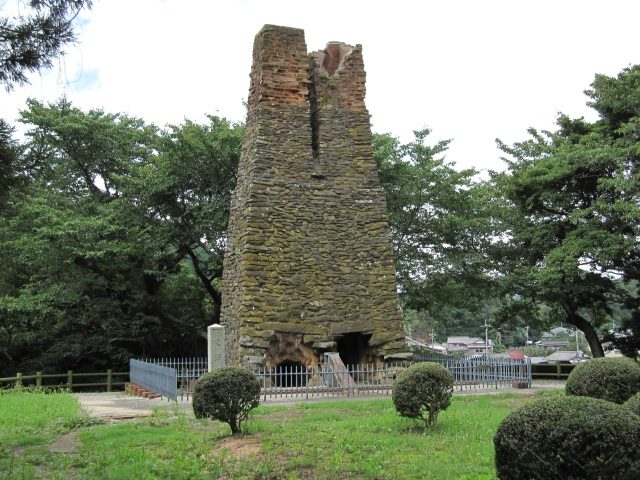
Hagi Reverberatory FurnaceA trial metal-smelting furnace built by Hagi Domain in 1856, used to refine the iron needed to cast Western-style cannon.
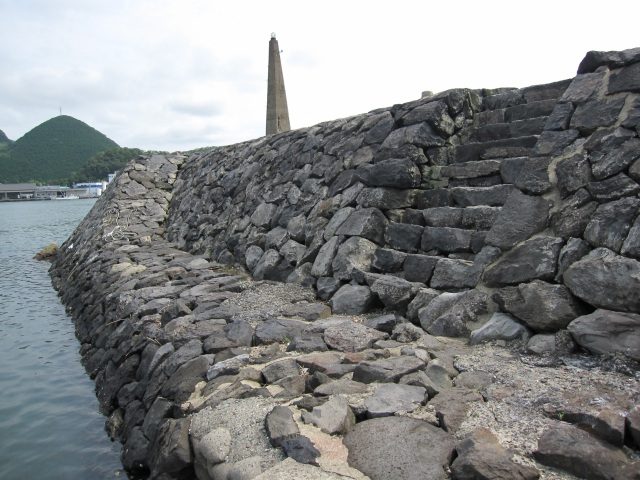
Ebisugahana Shipyard SiteThe remains of a Western-style sailing-ship shipyard built in the final years of the shogunate. Two warships were built here, one in the Russian style and one in the Dutch.
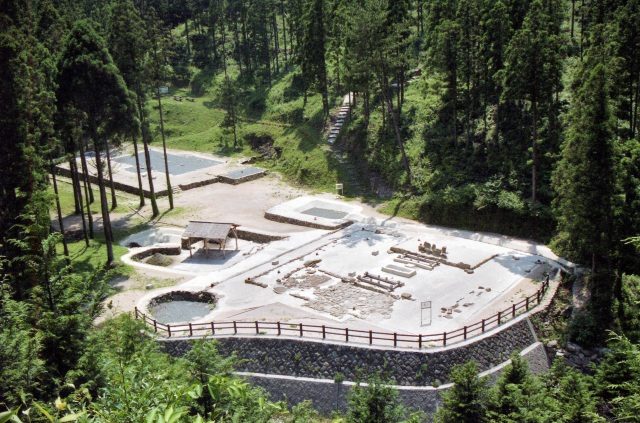
Oitayama Tatara Ironworks SiteA traditional Japanese ironworks site that produced iron from sand iron and charcoal. Iron made here was even used for the ship nails at Ebisugahana.
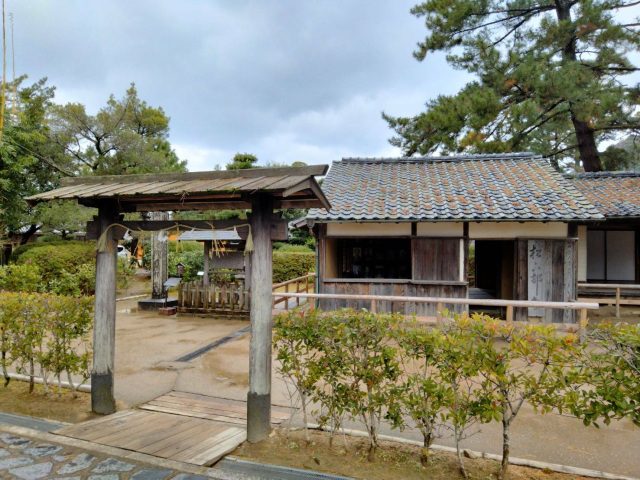
ShokasonjukuThe private academy led by Yoshida Shoin, which produced the leaders of the Restoration.Read more →
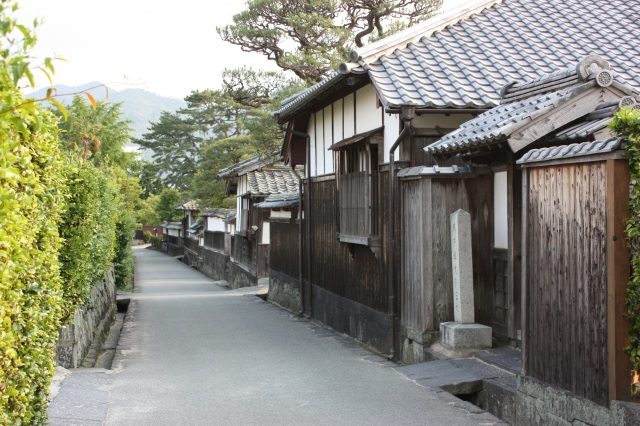
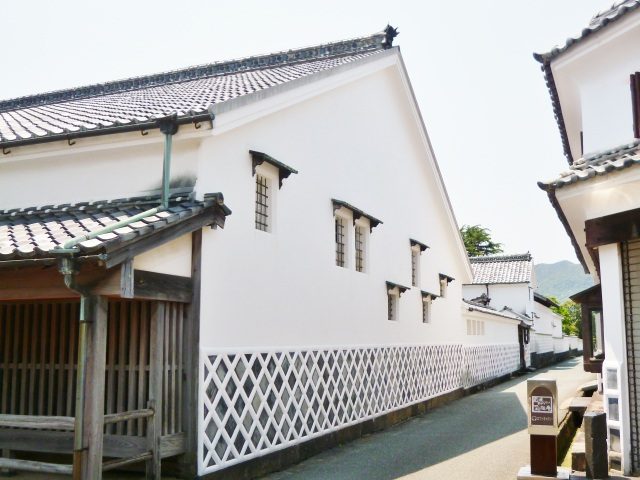
Hagi Castle TownThe old castle town area, whose Edo-period street layout survives to this day.Read more →History & Culture
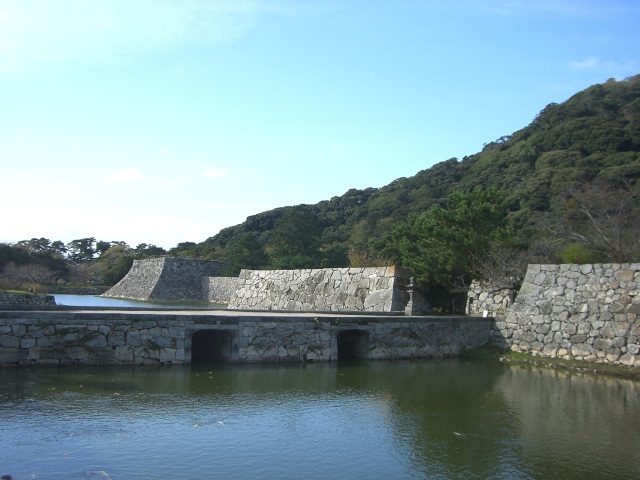
Samurai residences, shrines, museums. Memories of the late-shogunate and Restoration eras live on throughout the castle town.
01The site of Hagi Castle, built by Mori Terumoto in 1604. The keep no longer stands, but the stone walls and inner moat still convey the castle's former grandeur, and the site is also famed for its cherry blossoms.
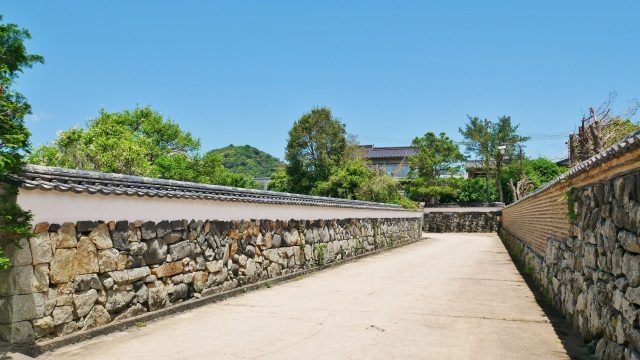
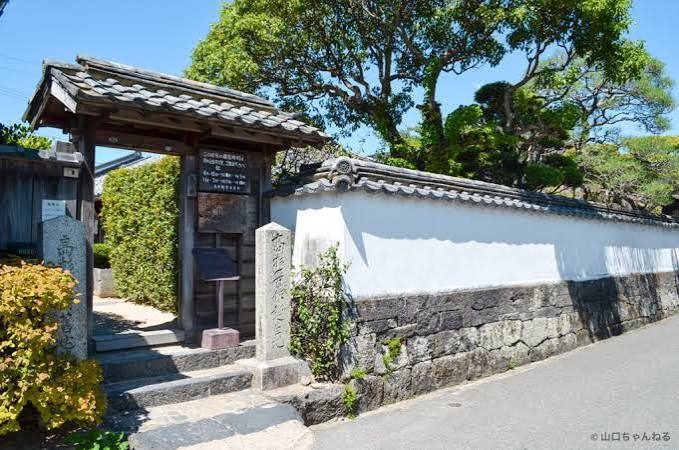
02A defensive right-angled street layout preserved in Horiuchi, the district of upper-ranking samurai residences. A magnificent landscape of continuous earthen walls.
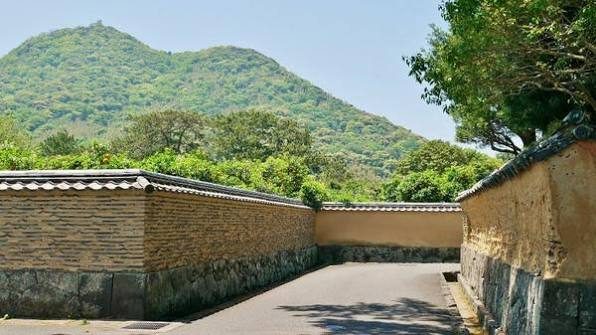
03A kaimagari district alongside Horiuchi's, with a quintessentially Hagi landscape of natsumikan trees and earthen walls stretching on.To the story of the townscape →
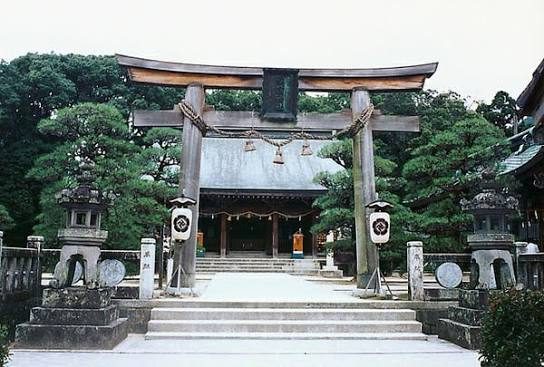
04A shrine dedicated to Yoshida Shoin. Its grounds include the preserved building of Shokasonjuku, and it is beloved as a shrine of learning.
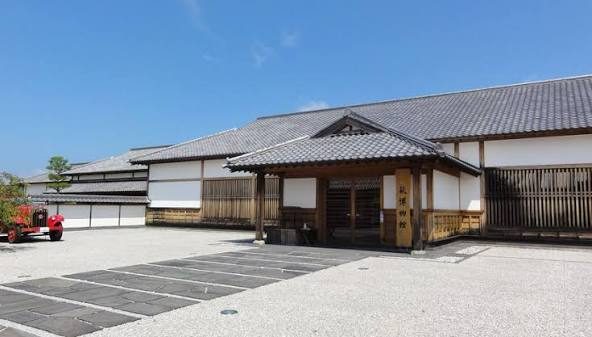
05A comprehensive museum where visitors can learn about Hagi's history, nature, and culture. Home to a large collection of armor and historical materials from the former Hagi domain.
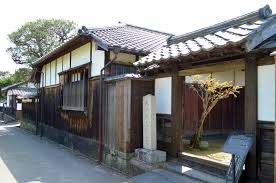
06A collection of samurai residences remaining in Horiuchi and Hiyako, where differences in construction according to rank are still visible.
07The site of the family home of Takasugi Shinsaku, founder of the Kiheitai.To the Restoration Figures page →
08The home where Kido Takayoshi (Katsura Kogoro), one of the "Three Great Nobles of the Restoration," was born and raised.
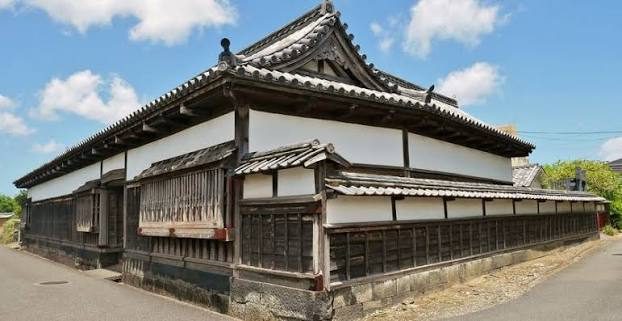
09The residence of a wealthy merchant who served as an official purveyor to Hagi Domain. One of the oldest surviving merchant houses in Japan, with roughly 400 years of history; five buildings, including the main hall, are designated National Important Cultural Properties.
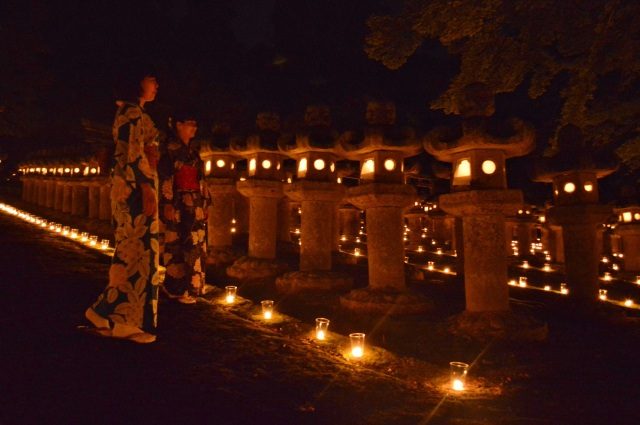
10One of the Mori family's ancestral temples. The roughly 500 stone lanterns lining its approach are a breathtaking sight, and together with the Mori family burial ground it is a National Historic Site. During the Toro Matsuri lantern festival, the lanterns are lit at night.
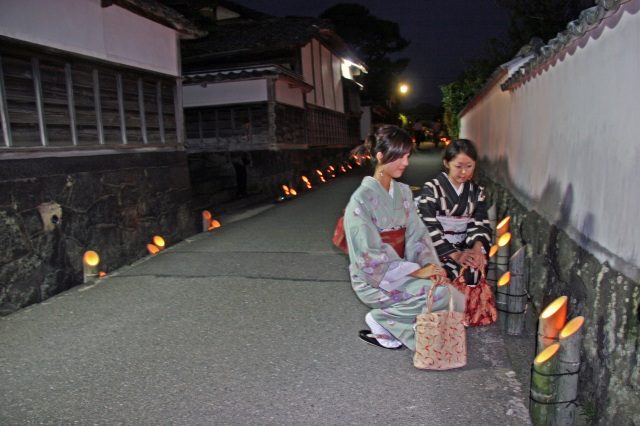
11An atmospheric summer festival held throughout the old castle town. Popular events include the Toro Matsuri, which lights the nighttime streets with lantern light.
Nature & Landscape
The natural landscape itself, which nurtured Hagi's history, is one of its great highlights.
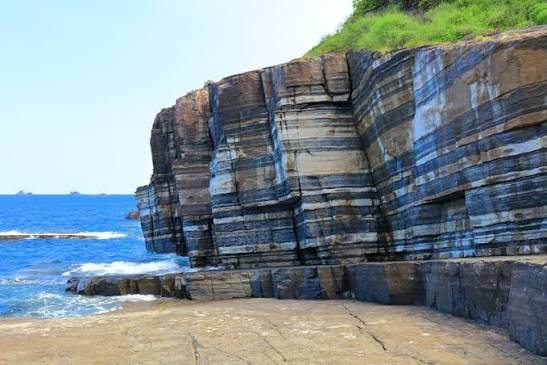
12An area certified by the Japanese Geoparks Network, themed around the connection between the land's geological formation and people's lives.
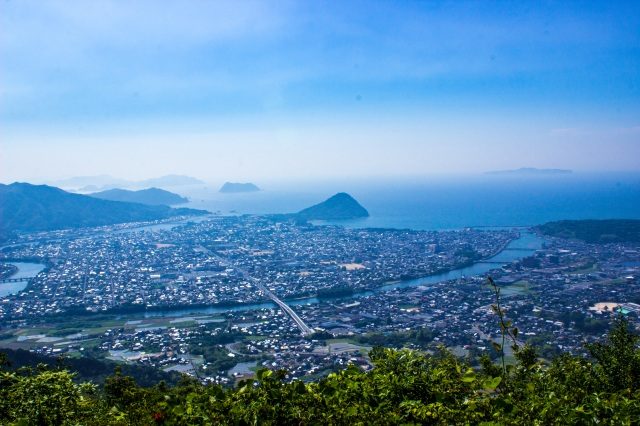
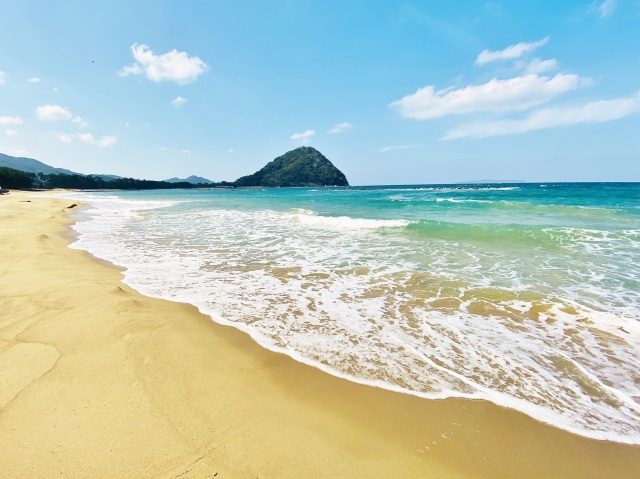
13Highly transparent seawater and a winding, ria-like coastline stretch along the shore.
14Standing 112.2 meters tall, this volcano is said to be one of the smallest in the world. Visitors can climb almost to the summit and view its crater, roughly 30 meters across and 30 meters deep, up close.
15Because logging was forbidden here during the domain era, as the mountain sat in the "demon's gate" direction from the castle, Mt. Kasayama still retains a magnificent camellia grove. A camellia festival is held from winter into spring.
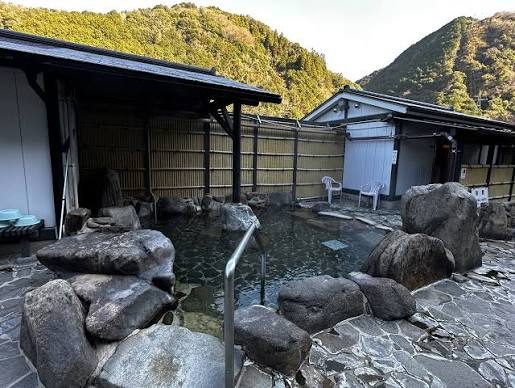
16A quiet hot spring welling up in the mountains, ideal for soothing tired feet after exploring the castle town.
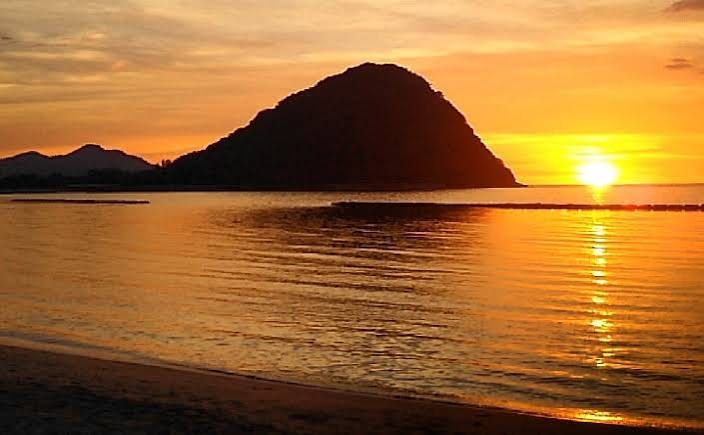
17A beautiful beach of white sand and green pines spreading out right next to the Hagi Castle ruins.
Food & Experiences
The full story of Hagi's food culture is covered in detail on the "Nature & Food" page. Here, the focus is on places and experiences to actually visit.
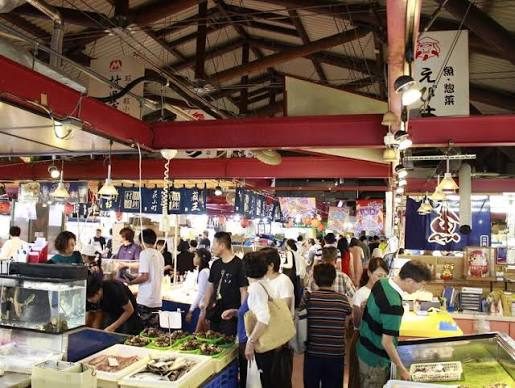
18A direct-sales and food hub popular even with locals, lined with seafood landed from the Sea of Japan. Many visitors come seeking seasonal catches like swordtip squid.
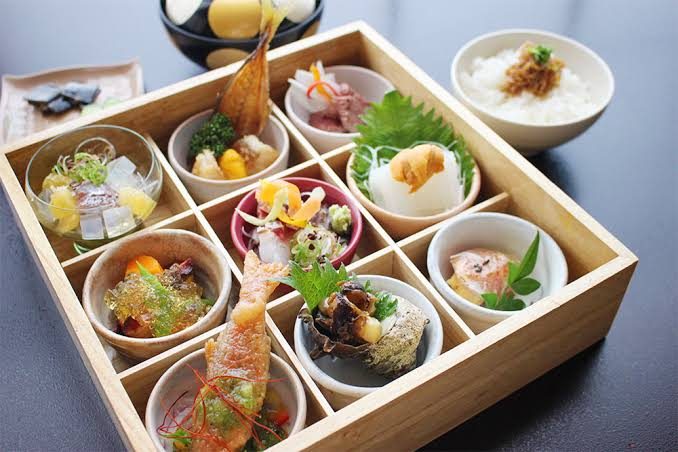
19Swordtip squid, natsumikan, local sake, Kenran beef, sea urchin dishes, and more.To the story of nature and food →
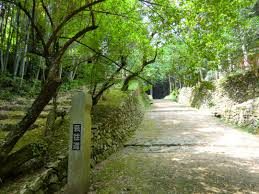
20A historic road roughly 53 km long, connecting Hagi with Hofu and the port of Mitajiri. Developed as the "Onarimichi," the road used for the daimyo's alternating attendance to Edo, after Hagi Castle was built in 1604. The Michi-no-Eki Hagi Okan roadside station is also popular.
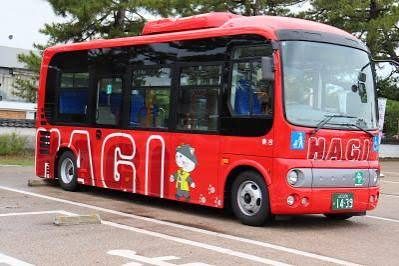
21A circular bus route that efficiently connects the city's main sightseeing spots. Convenient for exploring the castle town area.
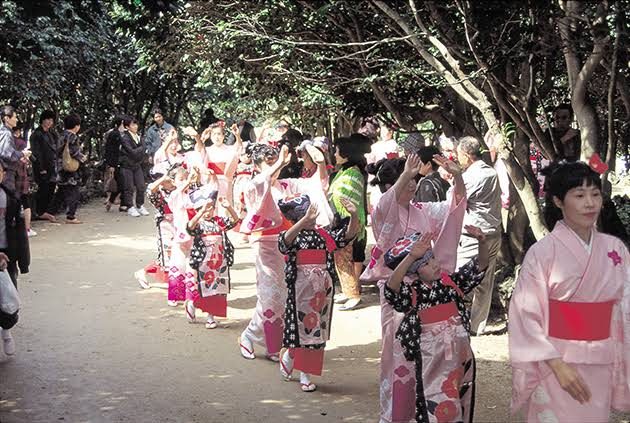
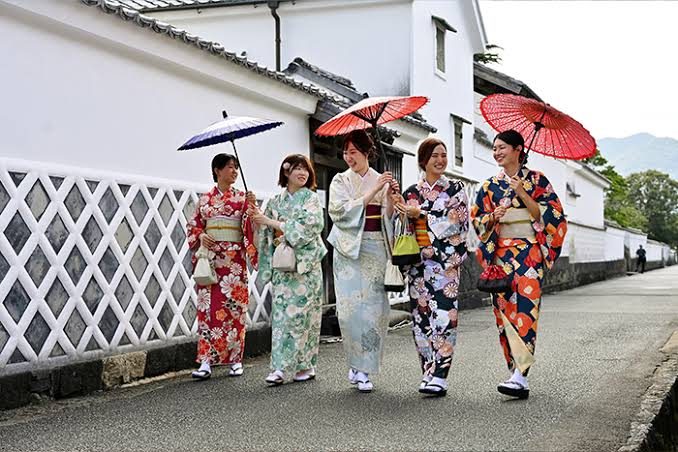
22A popular experience in which visitors rent kimono and stroll the castle town, with its still-intact Edo-period street layout.
Tips for getting around
Half a day is enough to see the main sights around Horiuchi and Shoin Jinja alone; set aside a full day if you want to venture out to Mt. Kasayama or the roadside stations as well.
With its many narrow kaimagari lanes and earthen-walled alleys, some sections are ill-suited to cars passing through. Walking, cycling, or the loop bus are all recommended.
Business hours, admission fees, and event schedules can change. Please check the latest information on the official Hagi City Tourism Association website and similar sources before your visit.
Finally
People, the voyage abroad, industry, townscape, education, nature and food, and the highlights themselves. To close Hagi's story, we introduce the sayings of Shoin, which speak most directly to the spirit of this land.