The bounty of sea and mountain
What's on Hagi's table
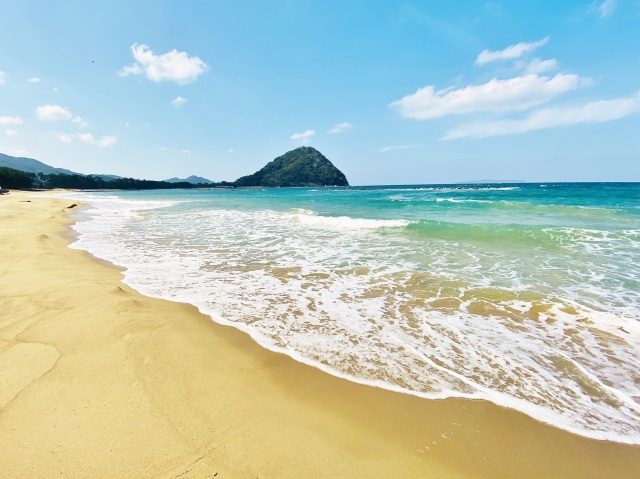
Seafood tossed by the rough waves of the Sea of Japan, and cattle and poultry raised in the Abu mountains. Differing natural conditions give rise to a diverse range of ingredients.
 Seafood
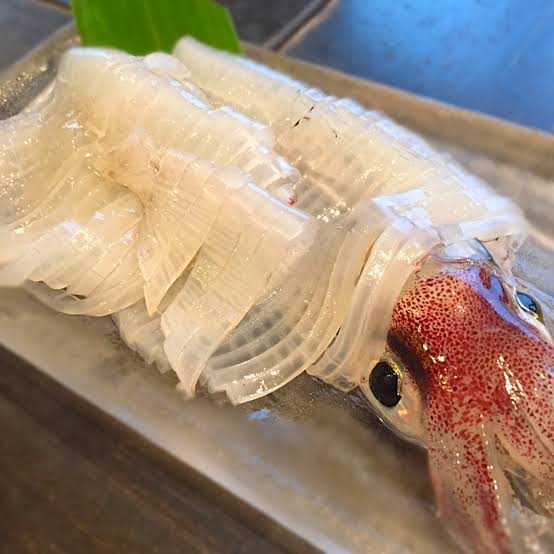
Swordtip Squid (Kensaki-ika)
A prized squid caught off the coast of Hagi. Its glass-clear, sweet flesh makes it a treasured Hagi delicacy, served as sashimi or dried overnight.
 Seafood
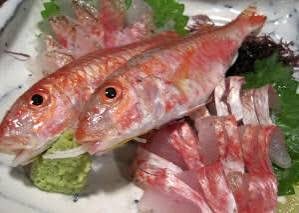
Kintaro (Goatfish)
A fish characteristic of Hagi, caught by bottom trawling. Its mild white flesh is often used in deep-fried dishes and fish cakes.
 Craft
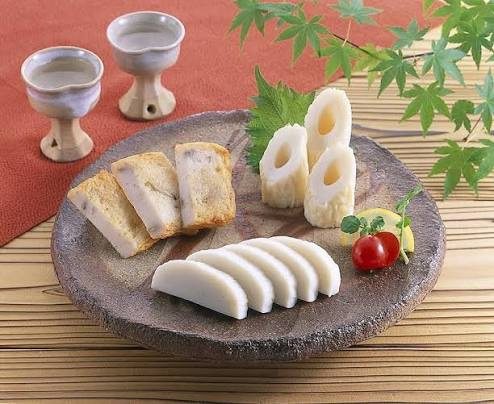
CraftHagi Kamaboko
Fresh fish finished using the yakinuki (grilled, not steamed) method of fish-cake making — a processed-food tradition that made the most of the Sea of Japan's catch.
 Meat
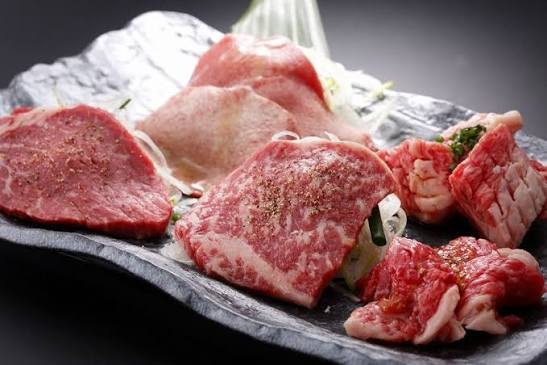
MeatKenran Beef
A branded beef raised amid the natural surroundings of the Abu mountain range. Prized for its fine-grained texture, often served as steak.
 Meat
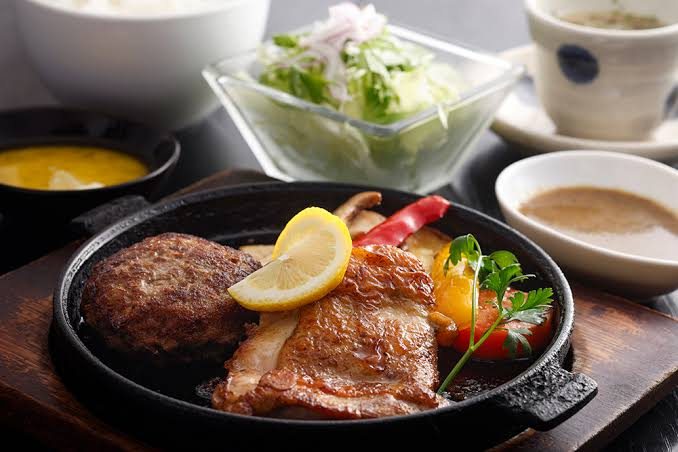
MeatChoshu-dori
A branded free-range chicken raised in Yamaguchi Prefecture. Raised in spacious conditions, known for its rich, flavorful meat.
 Fruit
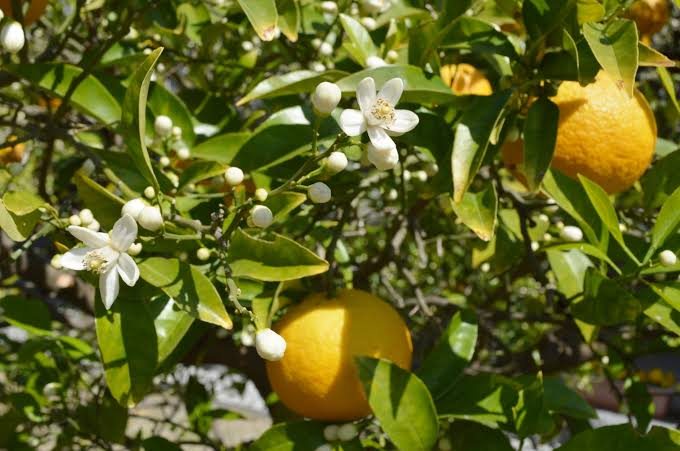
FruitNatsumikan
A citrus fruit that symbolizes Hagi, first cultivated as a livelihood project for former samurai families. Widely used in juice, jelly, and confectionery.
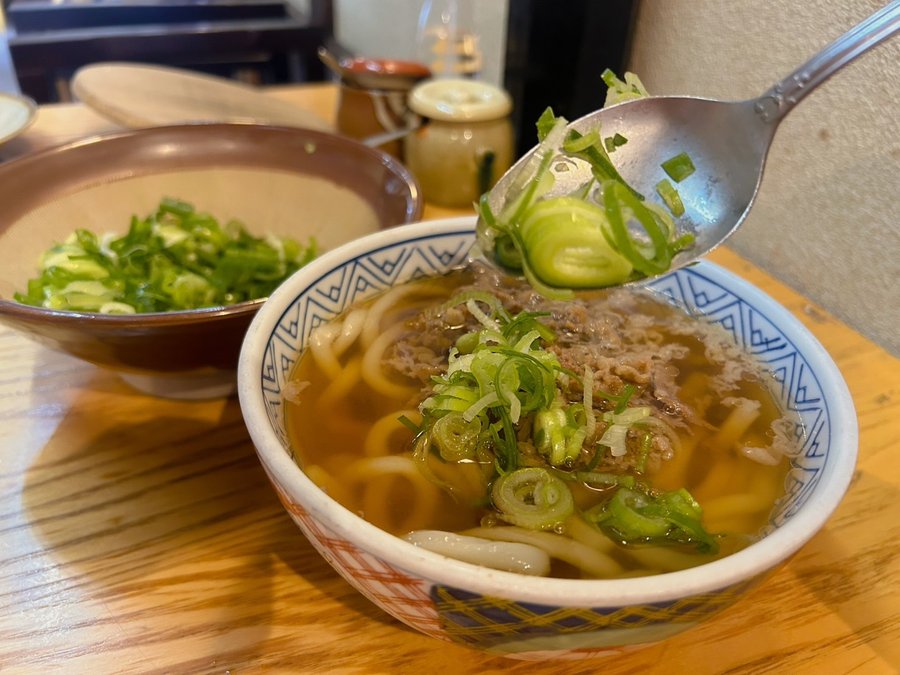 Noodle
Dondon
A soul food born from a long-established udon shop that opened in Hagi in 1972. Known for noodles that are silky yet chewy and a carefully drawn broth, it's a beloved staple across generations for people throughout Yamaguchi Prefecture.